Diversity and Equity from Below: Media Worker Unions and Collective Bargaining
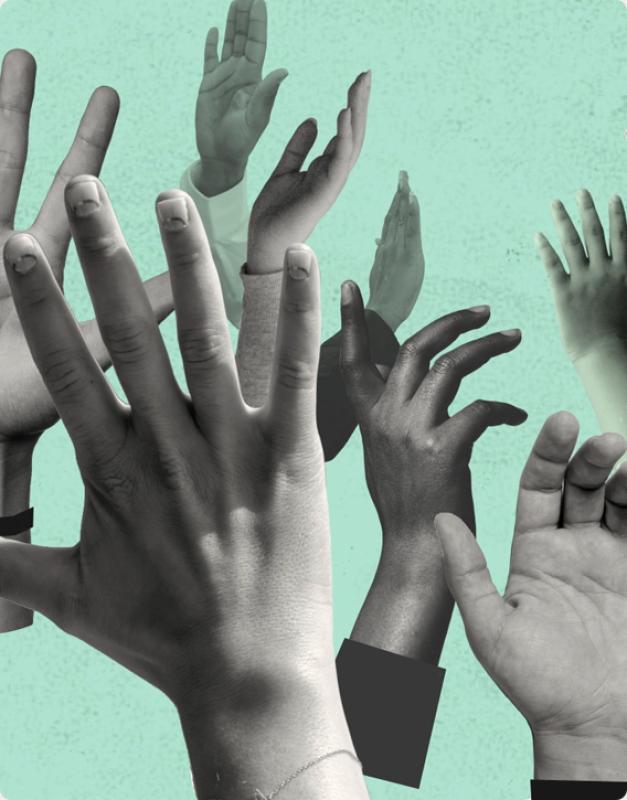
This article examines how media workers tackle equity and diversity from below via collective bargaining. In a review of 69 contracts negotiated during the new media union movement’s most active years (2015–2022), we find that collective bargaining is a vital strategy for meaningfully addressing equity and diversity in media. Collective agreements directly address structural causes of inequity in media organizations, articulate solutions, outline specific ways management must remedy problems, and include mechanisms to monitor progress and hold employers to account. Notably, in the contracts we analyze, language on racial, gender, and sexual equity is explicit and implicit. Some clauses directly address equity, such as discrimination and sexual harassment, and others do so indirectly, via salary minimums and flexible leaves, for example. Although individual contracts vary in their attention to equity and diversity, we argue that overall media workers’ commitment to equity is diffuse throughout our corpus of contracts. Negotiated contracts to date establish and encode equitable workplace protections that challenge the conception of a generic, white, male media worker that has historically influenced union bargaining priorities and shaped newsroom experiences. These findings are significant because they demonstrate that worker-led, collective processes of unionization and bargaining can materially and meaningfully address equity and diversity in media.
Image credit: Better Creative


